产品分类导航
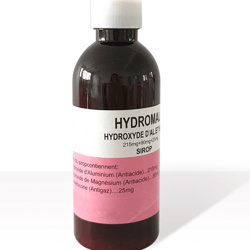
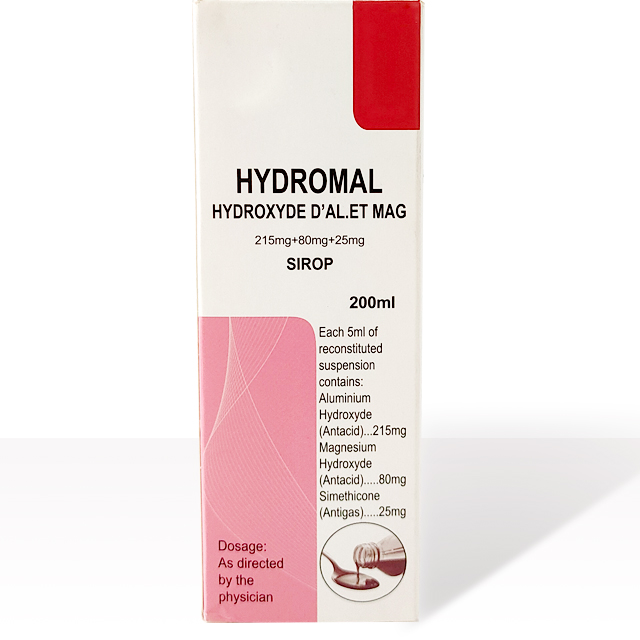
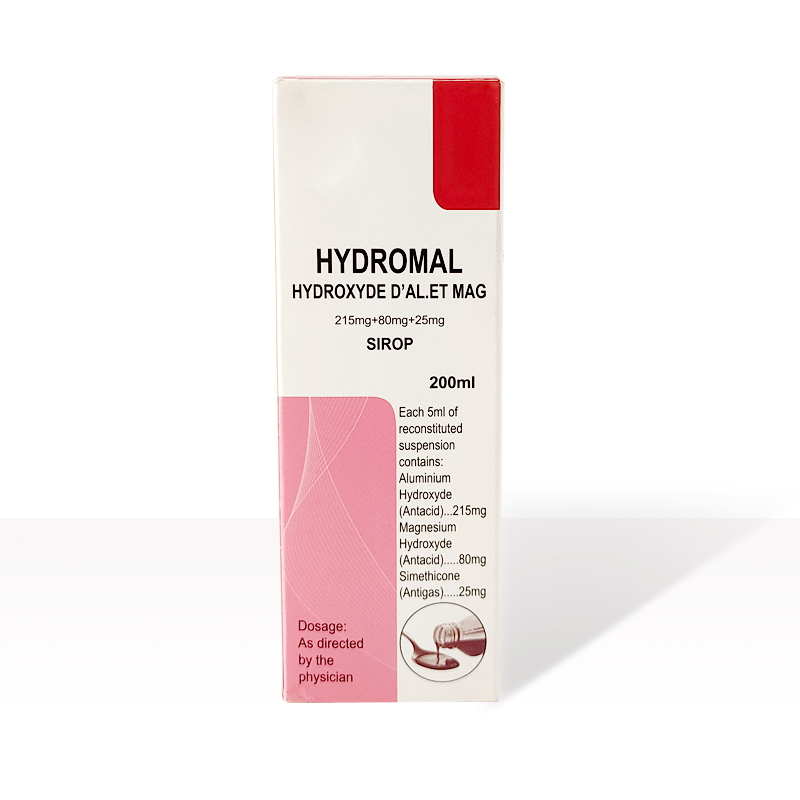
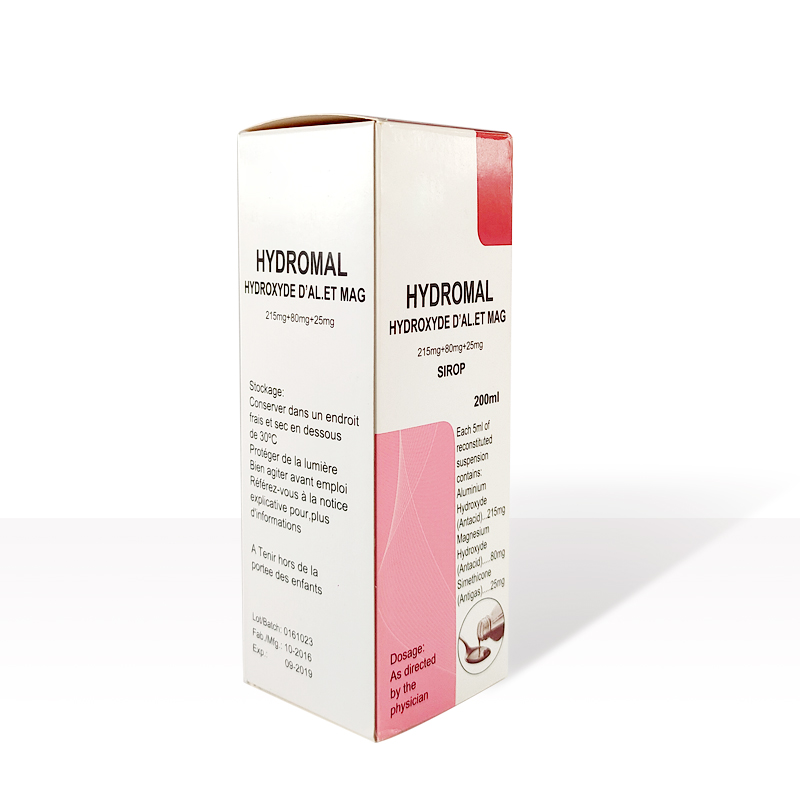
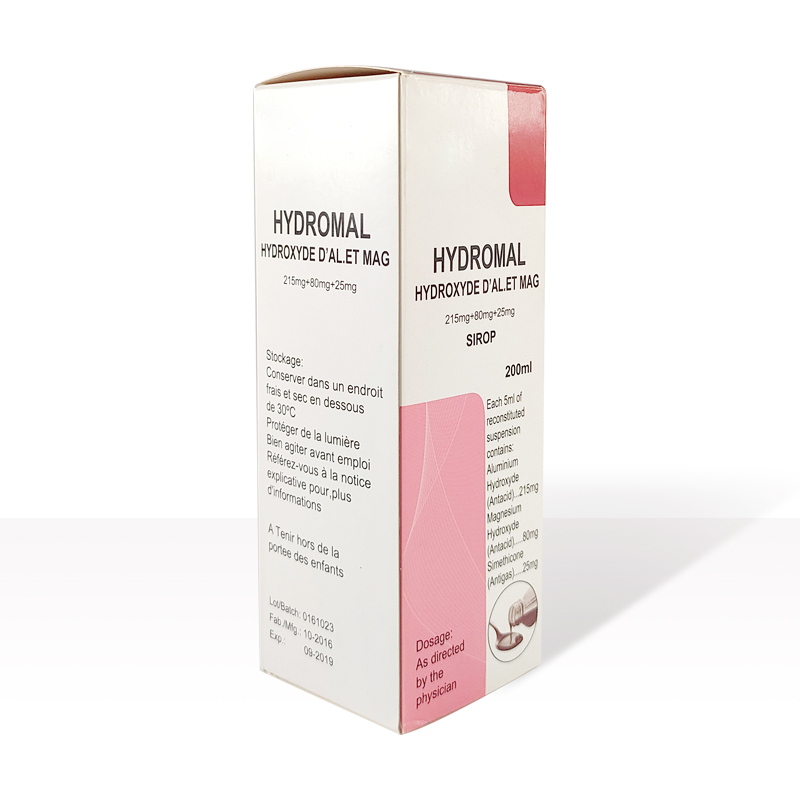
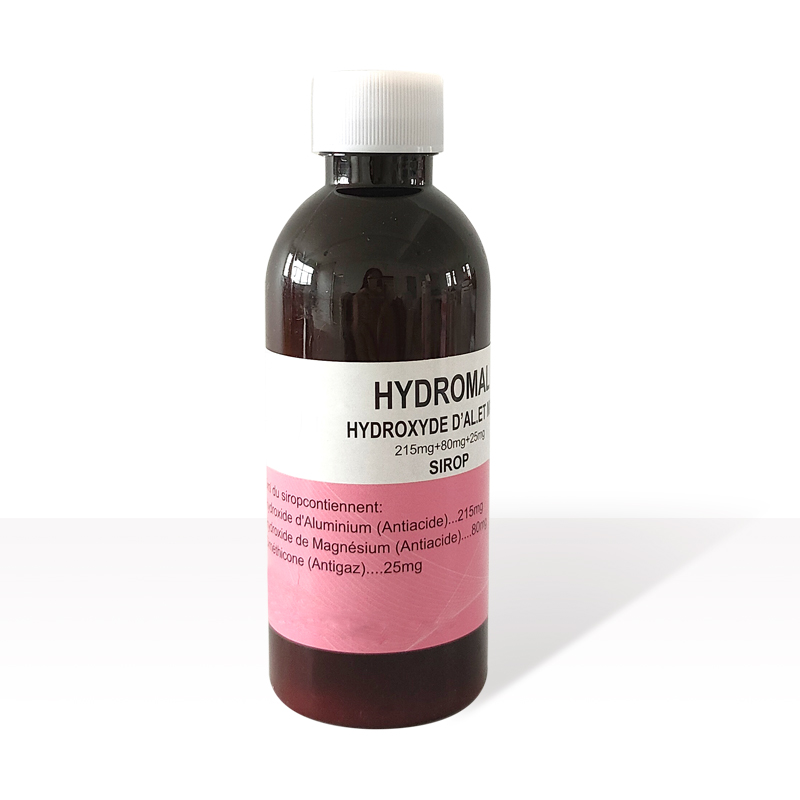
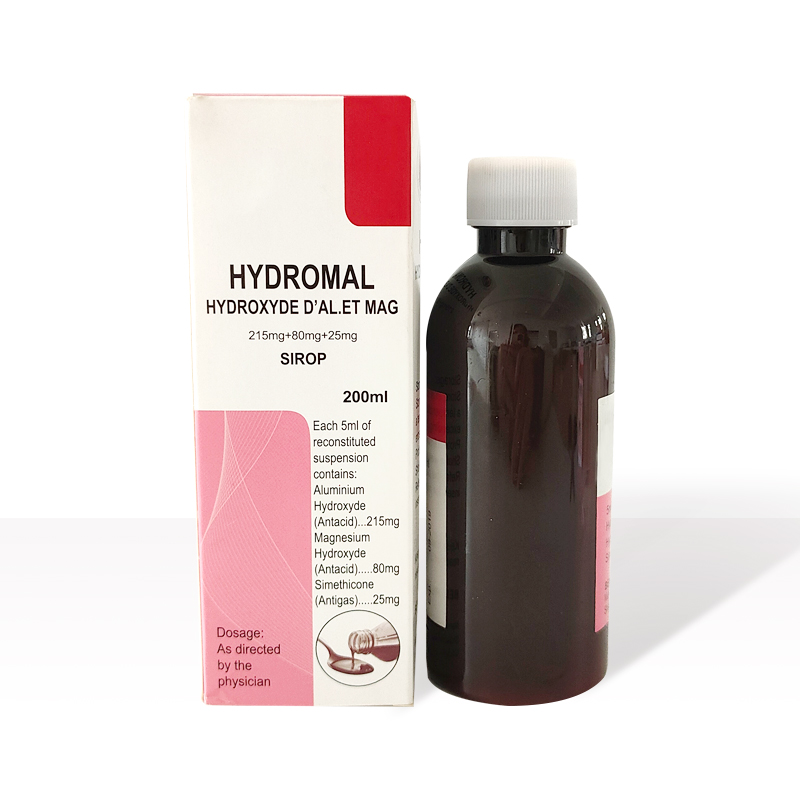
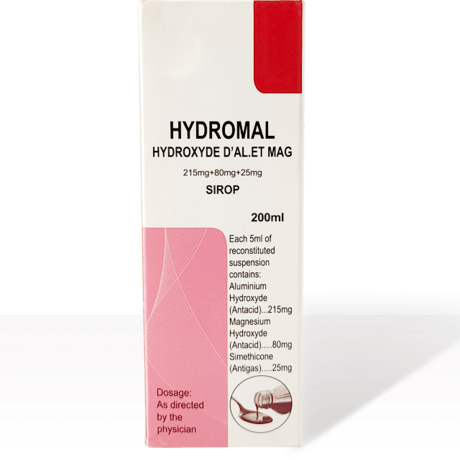
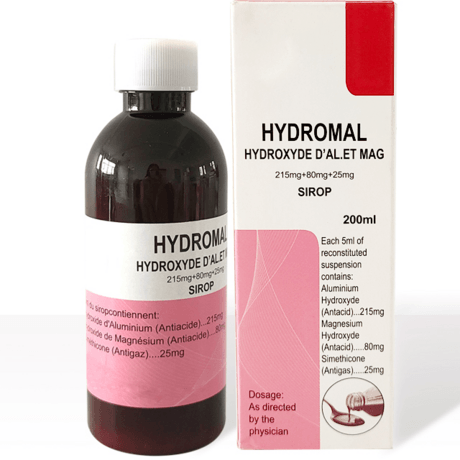
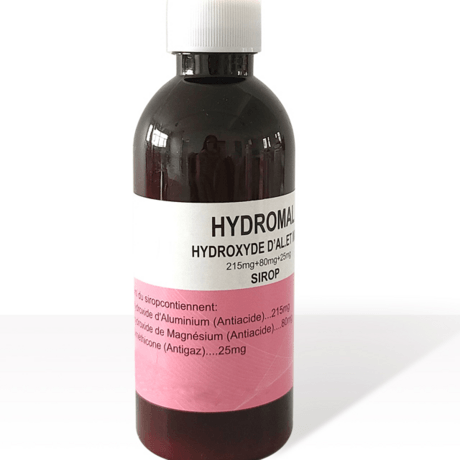
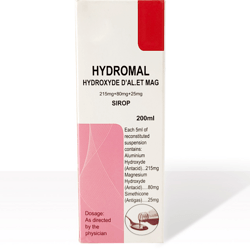
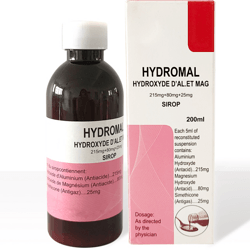
Aluminum hydroxide and magnesium syrup

Aluminum hydroxide and magnesium syrup

更新时间:2025-06-20

价格:
地区: 上海市
是否提供样品:
立即询盘
收藏

产品详情

产品名称: Aluminum hydroxide and magnesium syrup
产品分类: 消化系统制剂
产品关键词: Aluminum Hydroxide and Magnesium Syrup,Antacid,Heartburn Relief,Gastric Ulcer Treatment,Gastroesophageal Reflux Disease (GERD) Management
是否为生产商:
产品包装规格: 200ml/bottle
最低订购量: 500
主要销售市场: 中国,北美洲,中/南美洲,西欧,东欧,大洋洲,亚洲,中东,非洲
是否提供样品:

产品描述:


Mechanism of Action

Metoclopramide injection is a dopamine D2 receptor antagonist. Its primary mechanisms of action include:

  1. Enhanced Gastrointestinal Motility: By blocking dopamine D2 receptors in the gastrointestinal tract, metoclopramide increases motility in the stomach and duodenum, facilitating gastric emptying and relieving symptoms of gastroparesis and gastroesophageal reflux disease (GERD).
  2. Anti-emetic Effect: Metoclopramide acts on the dopamine receptors in the chemoreceptor trigger zone (CTZ) in the brainstem, inhibiting the vomiting reflex. This makes it effective in relieving nausea and vomiting caused by chemotherapy, radiotherapy, and postoperative conditions.

Applications

Metoclopramide injection is widely used for the following conditions:

  1. Nausea and Vomiting: It is used to prevent and treat nausea and vomiting associated with chemotherapy, radiotherapy, surgery, and other causes.
  2. Gastroesophageal Reflux Disease (GERD): It helps relieve symptoms of GERD by promoting gastric emptying and reducing gastric acid reflux.
  3. Gastroparesis: It is effective in managing symptoms of diabetic gastroparesis and other conditions where delayed gastric emptying is a problem.
  4. Diagnostic and Procedural Aid: It is used to facilitate diagnostic procedures such as esophagogastroduodenoscopy (EGD) and to enhance the effectiveness of gastrointestinal barium studies.

Dosage and Administration

The dosage of metoclopramide injection varies depending on the indication and patient characteristics. General guidelines include:

  1. Adults:Nausea and Vomiting: 10 mg (1 mL) administered intravenously or intramuscularly every 4 to 6 hours as needed. The maximum daily dose is 40 mg.Gastroparesis and GERD: 10 mg (1 mL) administered intravenously or intramuscularly every 4 to 6 hours. The total daily dose should not exceed 30 mg.Preoperative and Postoperative Use: 10 mg (1 mL) administered intravenously or intramuscularly 30 to 60 minutes before surgery or as needed postoperatively.
  2. Children:The dosage is based on body weight and age. Typically, 0.1 to 0.2 mg/kg (up to a maximum of 10 mg) can be administered intravenously or intramuscularly every 4 to 6 hours as needed.
  3. Administration Instructions:
  • Metoclopramide injection should be administered slowly, especially when given intravenously, to avoid adverse effects.
  • It is important to monitor patients for signs of extrapyramidal symptoms, particularly with prolonged use.
  • The injection should be administered by a healthcare professional in a clinical setting.

Storage

Metoclopramide injection should be stored at room temperature, typically between 15°C and 30°C (59°F to 86°F). The vials should be protected from light and kept in a dry place. Ensure that the medication is stored out of reach of children to prevent accidental ingestion.
公司简介

上海浦津林州制药有限公司,始建于1974年,其前身是林州市市属工业企业--安阳市化学制药厂, 2015年9月更名为“上海浦津林州制药有限公司” 公司位于风景秀丽的太行山东麓,举世闻名的人工天河——红旗渠畔,交通便利,通讯发达。公司占地面积5.5万m2,建筑面积1.9万m2,其中仓储面积3000 m2;厂区绿化面积16000 m2,硬化面积8000 m2。现有职工300余人,固定资产总值6418万元,主导产品主要有葡萄糖酸钙、硫酸镁、维生素C、肌苷等35个注射液品种,在市场上深受广大客户青睐,市场前景广阔。公司为了进一步扩大生产规模,提升产品档次,提高市场占有率,先后投资3.6亿余元,进行技术改造,现在拥有12条符合国家GMP标准的小容量注射剂全自动生产线,并于2014年5月通过国家食品药品监督管理局GMP认证;新建车间年设计生产能力12亿支,可实现产值3亿多元,利税5000余万元。 近年来,公司创新意识不断增强,始终把“技术创新,科技兴厂”作为公司发展的宗旨,企业发展空间大、前景广阔,愿各界同仁、有识之士携手并进,共谋美好未来。

该公司其他产品

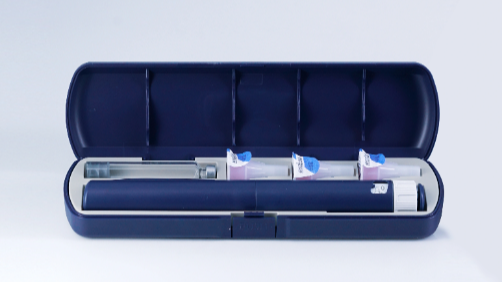
Insulin Pen: Precision and Convenience for Diabetes Management
Mechanism of ActionMetoclopramide injection is a dopamine D2 receptor antagonist. Its primary mechanisms of action include:Enhanced Gastrointestinal Motility: By blocking dopamine D2 receptors in the gastrointestinal tract, metoclopramide increases motility in the stomach and duodenum, facilitating gastric emptying and relieving symptoms of gastroparesis and gastroesophageal reflux disease (GERD).Anti-emetic Effect: Metoclopramide acts on the dopamine receptors in the chemoreceptor trigger zone (CTZ) in the brainstem, inhibiting the vomiting reflex. This makes it effective in relieving nausea and vomiting caused by chemotherapy, radiotherapy, and postoperative conditions.ApplicationsMetoclopramide injection is widely used for the following conditions:Nausea and Vomiting: It is used to prevent and treat nausea and vomiting associated with chemotherapy, radiotherapy, surgery, and other causes.Gastroesophageal Reflux Disease (GERD): It helps relieve symptoms of GERD by promoting gastric emptying and reducing gastric acid reflux.Gastroparesis: It is effective in managing symptoms of diabetic gastroparesis and other conditions where delayed gastric emptying is a problem.Diagnostic and Procedural Aid: It is used to facilitate diagnostic procedures such as esophagogastroduodenoscopy (EGD) and to enhance the effectiveness of gastrointestinal barium studies.Dosage and AdministrationThe dosage of metoclopramide injection varies depending on the indication and patient characteristics. General guidelines include:Adults:Nausea and Vomiting: 10 mg (1 mL) administered intravenously or intramuscularly every 4 to 6 hours as needed. The maximum daily dose is 40 mg.Gastroparesis and GERD: 10 mg (1 mL) administered intravenously or intramuscularly every 4 to 6 hours. The total daily dose should not exceed 30 mg.Preoperative and Postoperative Use: 10 mg (1 mL) administered intravenously or intramuscularly 30 to 60 minutes before surgery or as needed postoperatively.Children:The dosage is based on body weight and age. Typically, 0.1 to 0.2 mg/kg (up to a maximum of 10 mg) can be administered intravenously or intramuscularly every 4 to 6 hours as needed.Administration Instructions:Metoclopramide injection should be administered slowly, especially when given intravenously, to avoid adverse effects.It is important to monitor patients for signs of extrapyramidal symptoms, particularly with prolonged use.The injection should be administered by a healthcare professional in a clinical setting.StorageMetoclopramide injection should be stored at room temperature, typically between 15°C and 30°C (59°F to 86°F). The vials should be protected from light and kept in a dry place. Ensure that the medication is stored out of reach of children to prevent accidental ingestion.
Artemether: Potent Antimalarial for Malaria Management
Mechanism of ActionMetoclopramide injection is a dopamine D2 receptor antagonist. Its primary mechanisms of action include:Enhanced Gastrointestinal Motility: By blocking dopamine D2 receptors in the gastrointestinal tract, metoclopramide increases motility in the stomach and duodenum, facilitating gastric emptying and relieving symptoms of gastroparesis and gastroesophageal reflux disease (GERD).Anti-emetic Effect: Metoclopramide acts on the dopamine receptors in the chemoreceptor trigger zone (CTZ) in the brainstem, inhibiting the vomiting reflex. This makes it effective in relieving nausea and vomiting caused by chemotherapy, radiotherapy, and postoperative conditions.ApplicationsMetoclopramide injection is widely used for the following conditions:Nausea and Vomiting: It is used to prevent and treat nausea and vomiting associated with chemotherapy, radiotherapy, surgery, and other causes.Gastroesophageal Reflux Disease (GERD): It helps relieve symptoms of GERD by promoting gastric emptying and reducing gastric acid reflux.Gastroparesis: It is effective in managing symptoms of diabetic gastroparesis and other conditions where delayed gastric emptying is a problem.Diagnostic and Procedural Aid: It is used to facilitate diagnostic procedures such as esophagogastroduodenoscopy (EGD) and to enhance the effectiveness of gastrointestinal barium studies.Dosage and AdministrationThe dosage of metoclopramide injection varies depending on the indication and patient characteristics. General guidelines include:Adults:Nausea and Vomiting: 10 mg (1 mL) administered intravenously or intramuscularly every 4 to 6 hours as needed. The maximum daily dose is 40 mg.Gastroparesis and GERD: 10 mg (1 mL) administered intravenously or intramuscularly every 4 to 6 hours. The total daily dose should not exceed 30 mg.Preoperative and Postoperative Use: 10 mg (1 mL) administered intravenously or intramuscularly 30 to 60 minutes before surgery or as needed postoperatively.Children:The dosage is based on body weight and age. Typically, 0.1 to 0.2 mg/kg (up to a maximum of 10 mg) can be administered intravenously or intramuscularly every 4 to 6 hours as needed.Administration Instructions:Metoclopramide injection should be administered slowly, especially when given intravenously, to avoid adverse effects.It is important to monitor patients for signs of extrapyramidal symptoms, particularly with prolonged use.The injection should be administered by a healthcare professional in a clinical setting.StorageMetoclopramide injection should be stored at room temperature, typically between 15°C and 30°C (59°F to 86°F). The vials should be protected from light and kept in a dry place. Ensure that the medication is stored out of reach of children to prevent accidental ingestion.
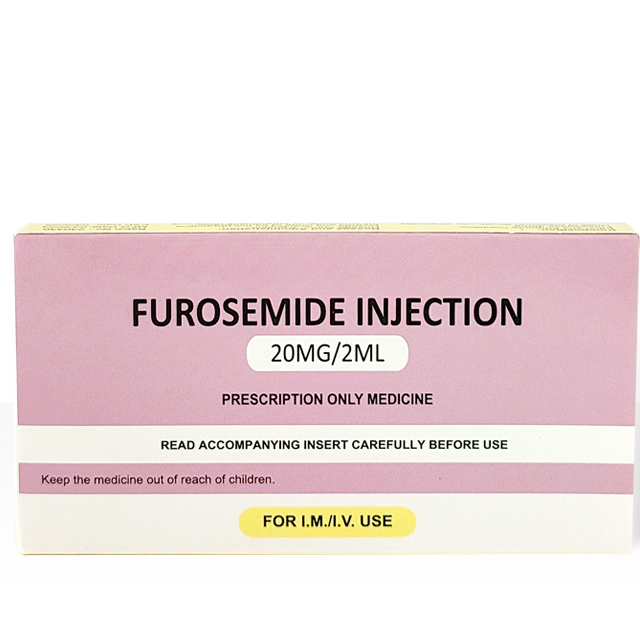
Furosemide : Effective Loop Diuretic for Heart Failure and Hypertension
Mechanism of ActionMetoclopramide injection is a dopamine D2 receptor antagonist. Its primary mechanisms of action include:Enhanced Gastrointestinal Motility: By blocking dopamine D2 receptors in the gastrointestinal tract, metoclopramide increases motility in the stomach and duodenum, facilitating gastric emptying and relieving symptoms of gastroparesis and gastroesophageal reflux disease (GERD).Anti-emetic Effect: Metoclopramide acts on the dopamine receptors in the chemoreceptor trigger zone (CTZ) in the brainstem, inhibiting the vomiting reflex. This makes it effective in relieving nausea and vomiting caused by chemotherapy, radiotherapy, and postoperative conditions.ApplicationsMetoclopramide injection is widely used for the following conditions:Nausea and Vomiting: It is used to prevent and treat nausea and vomiting associated with chemotherapy, radiotherapy, surgery, and other causes.Gastroesophageal Reflux Disease (GERD): It helps relieve symptoms of GERD by promoting gastric emptying and reducing gastric acid reflux.Gastroparesis: It is effective in managing symptoms of diabetic gastroparesis and other conditions where delayed gastric emptying is a problem.Diagnostic and Procedural Aid: It is used to facilitate diagnostic procedures such as esophagogastroduodenoscopy (EGD) and to enhance the effectiveness of gastrointestinal barium studies.Dosage and AdministrationThe dosage of metoclopramide injection varies depending on the indication and patient characteristics. General guidelines include:Adults:Nausea and Vomiting: 10 mg (1 mL) administered intravenously or intramuscularly every 4 to 6 hours as needed. The maximum daily dose is 40 mg.Gastroparesis and GERD: 10 mg (1 mL) administered intravenously or intramuscularly every 4 to 6 hours. The total daily dose should not exceed 30 mg.Preoperative and Postoperative Use: 10 mg (1 mL) administered intravenously or intramuscularly 30 to 60 minutes before surgery or as needed postoperatively.Children:The dosage is based on body weight and age. Typically, 0.1 to 0.2 mg/kg (up to a maximum of 10 mg) can be administered intravenously or intramuscularly every 4 to 6 hours as needed.Administration Instructions:Metoclopramide injection should be administered slowly, especially when given intravenously, to avoid adverse effects.It is important to monitor patients for signs of extrapyramidal symptoms, particularly with prolonged use.The injection should be administered by a healthcare professional in a clinical setting.StorageMetoclopramide injection should be stored at room temperature, typically between 15°C and 30°C (59°F to 86°F). The vials should be protected from light and kept in a dry place. Ensure that the medication is stored out of reach of children to prevent accidental ingestion.
上海浦津林州制药有限公司
注册资本
联系人
查看联系方式
快速询盘
询盘主题
请输入询盘主题
询盘信息
请输入询盘信息
快速发送询盘
2006-2026 上海博华国际展览有限公司版权所有(保留一切权利) 沪ICP备05034851号-57